Disability Card: What It Is and How to Get One
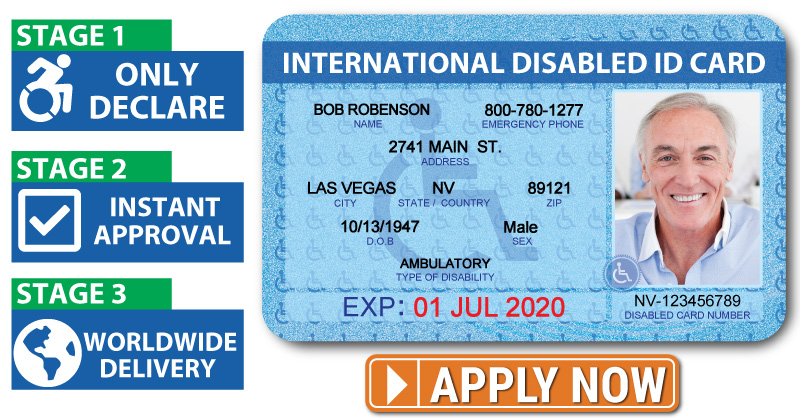
A government-issued disability card is more than just an ID for many Americans with disabilities. It’s an official disability identification card that proves an individual’s status. It’s key to getting services, protections, and accommodations.
This card is not just an ID. It unlocks access to important benefits. You get things like transportation and parking help, workplace rights, and legal protections. It makes dealing with government agencies, businesses, and service providers easier.
If you want to apply for a disability card, you need to meet certain eligibility for disability card rules. The disability card application process asks for medical documents. This guide will help you understand the disability card requirements and how to start.
Understanding the Disability Card
A disability card is more than an ID for many Americans with disabilities. It’s a key to essential services and legal protections. This card helps individuals with disabilities get the accommodations they need to fully participate in society.
It’s used to access public services, request workplace accommodations, and get discounts. This card is vital for verification.
Definition and Purpose of a Disability Card
A disability card verifies an individual’s disability status. It proves eligibility for various accommodations, services, and legal protections. The main goal is to provide a standard way to verify disability status when requesting accommodations.
These accommodations can include priority seating, extended test time, or access to specialized services.
When you apply for a disability card, you get more than an ID. You get a tool that makes daily life easier. This card can help with parking, discounts, and more. Many organizations recognize these cards as proof of disability status.
Types of Disability Cards in the U.S.
The U.S. doesn’t have a single federal disability card. Instead, several types exist. Many states have a disability indicator on ID cards or driver’s licenses. This marker signals to authorities that the individual has a documented disability.
The Access Card is another important type. It helps individuals access venues and services more easily. It’s useful for entertainment venues, transportation, and public facilities. Some organizations issue their own disability cards for specific programs or benefits.
Parking placards and specialized transit cards are also common. While not always called a “disability card,” they serve similar purposes in specific contexts.
Who Qualifies for a Disability Card?
To qualify for a disability card, you must meet the Americans with Disabilities Act (ADA) definition. The ADA defines a disability as a physical or mental impairment that limits major life activities. This includes conditions that may not be visible, like chronic illnesses or mental health conditions.
To apply for a disability card, you need documentation from a licensed healthcare professional. This documentation verifies the nature of the disability and its impact on daily activities. The specific requirements vary by state or organization. Generally, you’ll need medical documentation that clearly shows the disability and its effects.
Different cards have different criteria. For example, a parking card might require proof of mobility limitations. Other cards might focus on different aspects of disability. The specific requirements depend on the card type and issuer.
Benefits of Having a Disability Card
A disability identification card offers many benefits and support systems. It helps you connect with a support network, making daily life easier. You’ll gain access to important services and financial help.
Access to Government Benefits and Services
Your disability identification card opens doors to federal and state programs. Social Security Disability Insurance (SSDI) and Supplemental Security Income (SSI) are two main programs. SSDI is based on your work history, while SSI is for those with financial need and disability.
Having this card proves you’re eligible for these programs. It makes applying for benefits easier. It also helps you get into Medicare or Medicaid if you’re eligible.
State and local governments use the card to verify your status for more programs. This includes housing help, utility discounts, and special transportation. It’s a key part of the card’s function.
Discounts and Perks for Daily Living
A disability card also offers savings and better access in daily life. Many places give discounts and make things easier for cardholders. Here are some examples:
Transportation: You can get cheaper fares on public transit, airlines, and Amtrak. Plus, you might get a discount for a companion.
Tax Benefits: You could get tax deductions or credits for disability-related costs.
Retail and Recreation: Museums, theaters, and entertainment venues offer lower prices. Some stores and service providers also give discounts.
These benefits make life easier and more affordable. They help you enjoy community and recreational activities more.
Impact on Employment and Accessibility
In the workplace, your disability identification card helps with ADA requests. It makes asking for work modifications, flexible schedules, or special equipment easier.
The card also proves your rights under the ADA. It ensures you have equal access to jobs and public spaces. This includes wheelchair ramps and accessible restrooms.
In short, the card is more than identification. It unlocks access, savings, and rights. It makes life more manageable and integrated. Checking if you’re eligible for a disability card is the first step to getting these benefits.
How to Apply for a Disability Card
Getting a disability card involves a few steps. You need to prepare well and know what documents are needed. You can apply online, by phone, or in person.
Required Documentation for Application
The first step is to gather the right documents. You’ll need a medical report from a doctor. This report should confirm your disability and how it affects your daily life.
You also need to provide identification and proof of where you live. For federal and state programs, your Social Security Number and Social Security Statement are required. Having these documents ready will help you apply smoothly.
Step-by-Step Application Process
You can start your application in several ways. You can apply online, by phone, or in person at a local office.
First, collect all the necessary documents. Then, you can start your application. Applying online is often the quickest way. If you apply by phone, have your documents and a list of your doctors ready. For in-person applications, call ahead to schedule and confirm what to bring.
The application will ask about your medical condition and work history. Be ready to provide information about your doctors and treatments. After you apply, you’ll get a confirmation and a claim number to track your application.
Common Mistakes to Avoid
Common mistakes can cause delays. The biggest error is submitting an incomplete application. Make sure all documents are included and forms are signed and dated.
Applying for the wrong benefit is another mistake. Make sure you’re applying for the right program for your situation. Don’t assume you’re eligible; check the disability card requirements for the program you’re applying to.
Lastly, failing to report changes is a critical error. If your situation changes, you must tell the agency. Not doing so can impact your benefits. To avoid these mistakes, stay organized, double-check your forms, and apply to the correct agency.
Maintaining Your Disability Card
Getting your disability card is just the start. Keeping it valid is a big job. It makes sure you keep getting your benefits and services.
Renewal Process and Timeline
Your disability card might not last forever. The Social Security Administration (SSA) or your state’s agency will tell you how to renew it. They send out renewal notices, but you must apply on time.
Make sure the SSA has your current contact info. This is key for the renewal process. You’ll need to check your disability card requirements for renewal, like updating your medical info.
Reporting Changes in Your Status
You must tell the SSA about big changes in your life. This is the law. Let them know if you move, get a job, or your money situation changes.
Also, tell them if your health gets better or you can work again. Not telling can lead to having to pay back money you got by mistake.
Frequently Asked Questions
What if I lose my card? Losing your card? You can get a lost disability card replacement from the SSA. It’s easy, and you can even ask for a lanyard. Just call the SSA to start the lost disability card replacement process.
What if my benefits are denied or reduced? If you lose benefits, you can appeal. The SSA has a clear appeals process. It’s important to act fast and follow the instructions on any denial notice.
FAQ
What is a disability card, and who issues it?
How do I apply for a disability card or ID?
What are the main benefits of having a disability card or verification?
Who qualifies for a disability card or benefits?
What should I do if my disability card is lost or stolen?
What happens if my disability status changes?
What if my application for disability benefits is denied?
Can I use my disability card for discounts and other non-government benefits?
Drowning in the paperwork?
Our accessible-living navigation turns dense entitlement systems into clear, doable steps — so the admin stops draining your energy.
Get navigation help →